The back story
Frappé, freddo and a refugee’s carioca: Glyfada’s café life, the back story
Iced coffee born by accident, a Thracian sweet shop and pies baked before you: Glyfada’s cafés.
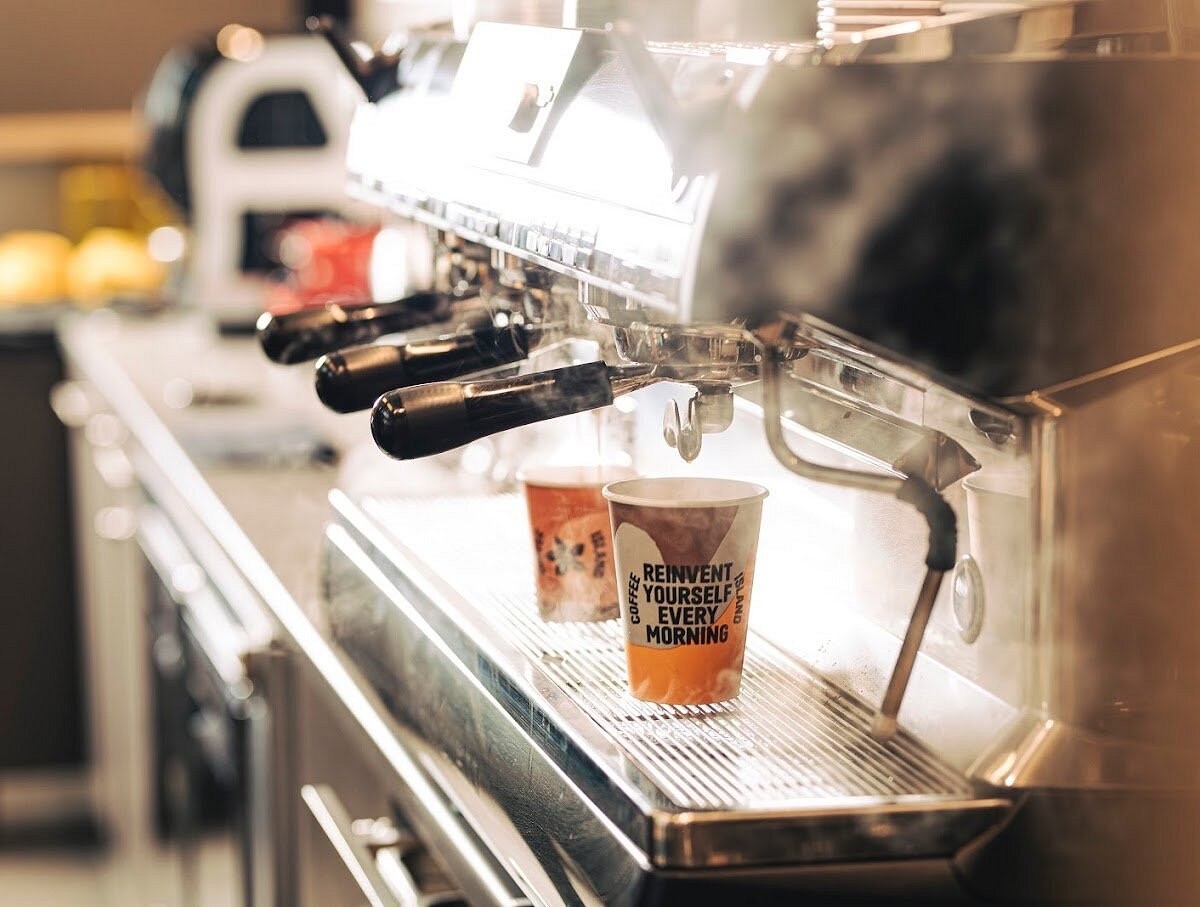
Photo Credit
Image courtesy of © Coffee IslandGlyfada drinks its coffee cold, slowly and in company. The frothy frappé was born by accident in 1957, the freddo has an Italian name and a Greek passport, and the town’s favourite sweets come from a confectioner who arrived in Xanthi as a refugee in 1922. Here is how the café became Glyfada’s living room, and what to order when you take a seat.
An accident at a trade fair
Ask for a coffee in Glyfada in July and you will rarely be handed anything hot. Athens’s official tourism site traces the habit to the 1957 trade fair in Thessaloniki, where the frappé was created by accident: instant coffee, sugar and a little water shaken until frothy, then topped up with ice, water and milk. Greece took it up in the 1960s and 1970s and never quite put it down.
The frappé has since lost ground to younger rivals, but its real legacy is the ritual. Coffee here is less a drink than a booking for a chair: the order takes ten seconds; the table is yours for the afternoon. On Kyprou Street that chair faces the boutiques, which is why Oh Mama fills with people-watchers long before anyone orders a cocktail.
Freddo: Italian name, Greek recipe
The cup you will see everywhere is the freddo. Greece’s national tourism organisation is firm on the point: the freddo espresso, shaken with ice, and the freddo cappuccino, crowned with thick cold milk foam, are Greek recipes, whatever their names suggest. They are drunk almost all year, through straws, at a pace that would worry an Italian barista.
Glyfada pours them at every level. Coffee Island, the Greek roaster, has a seafront branch; Gregory’s serves them with koulouri and cheese pies; High Hope Specialty Coffee in upper Glyfada brings specialty beans and careful filter; and SweetLeaf has kept its neighbourhood coffee shop going for more than nine years. The ice is constant; the bean is where the arguments start.
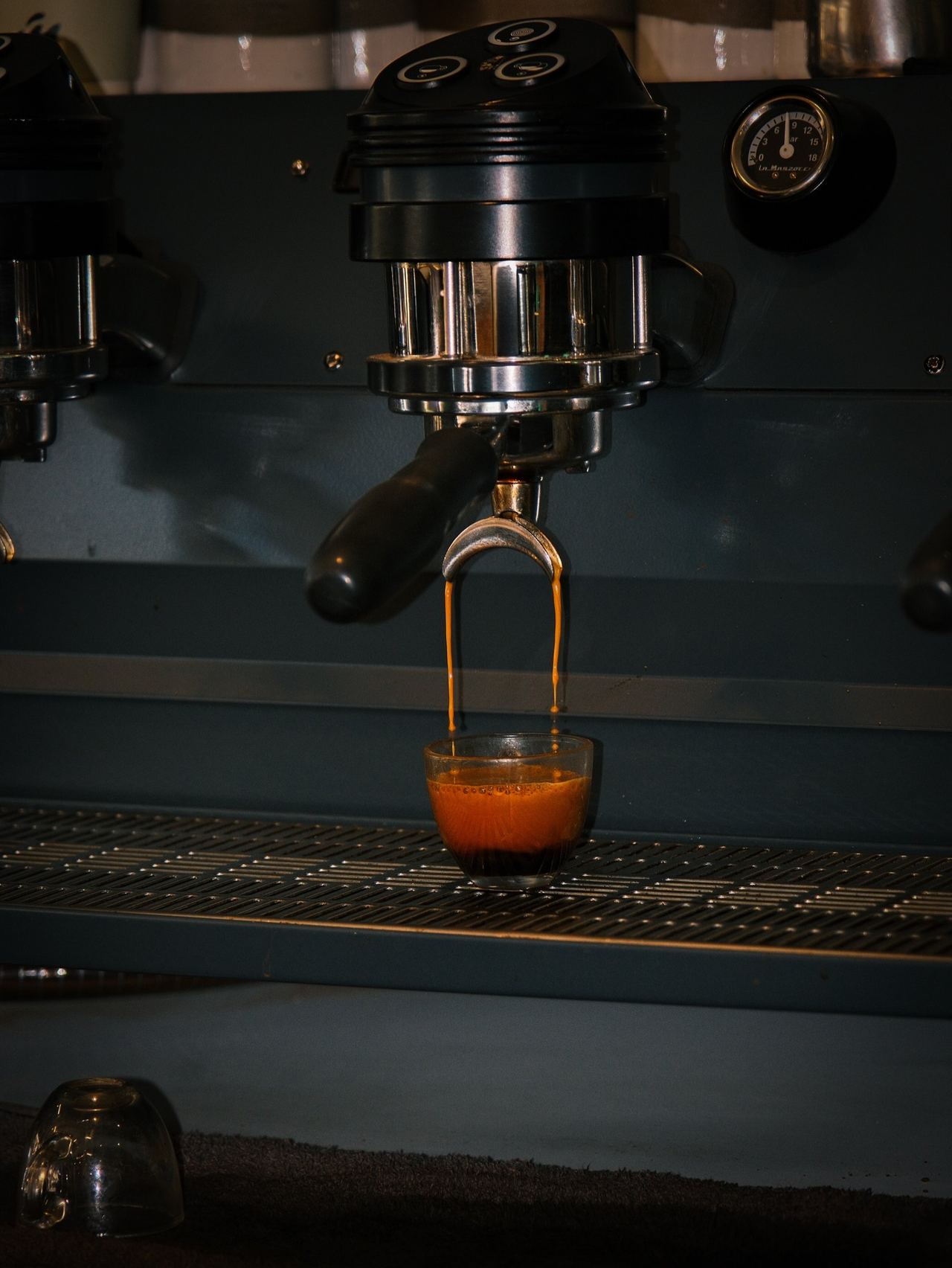
Photo Credit
Image courtesy of © High Hope Specialty CoffeeA sweet shop from Eastern Thrace
The town’s grandest sweet story began far away. George Papaparaskevas, a confectioner from Eastern Thrace, arrived in Xanthi as a refugee in 1922 and opened his own patisserie there in 1926. The house says he established the carioca, a chocolate-coated nut sweet, in 1930, and brought saragli, a syrupy walnut roll once made only at home, into the confectioner’s window.
Papaparaskevas now has a branch in central Glyfada, selling the same carioca and saragli to a seaside suburb that knows a good box of sweets when it sees one. It is the oldest kind of Greek hospitality: never arrive empty-handed, and never arrive with anything a host could have bought round the corner.
The order takes ten seconds; the table is yours for the afternoon.
The house credits its founder with the chocolate recipe still in use, and with making Xanthi’s sweets known across Greece; the third generation now runs the business. Its nougat, white and chewy with whole almonds and local honey, is the other box worth carrying home, preferably before the Glyfada sun reaches it.
Pies, hatches and the long sit
Mouzilo makes a theatre of the pie: pastry rolled, filled and baked in front of you, flour from a Cretan producer, cheese from Epirus, onions from Neapoli in Laconia and sea salt gathered by hand from the rocks of Elafonisos. Nothing frozen is used or sold. It is a slice of the Greek map, and it travels well to the beach.
At the other extreme, Prince Peter is a window, not a room: you stop, collect your “Royal Roasted” coffee and carry on. It stands, with admirable consistency, on Prigkipos Petrou, Prince Peter Street. Peripou, whose name means “roughly”, keeps exact hours, morning to midnight, and Carpo grinds its coffee fresh beside handmade chocolates and roasted nuts.
So which is the real Glyfada café: the window or the long sit? Both, at different hours. The takeaway freddo carries locals to the beach and the office; the afternoon table is where the town actually talks. PAUL Glyfada and Starbucks Glyfada have joined in on Kyprou Street, but the rhythm is local: slow at the table, quick at the counter.
Our advice: order a freddo espresso “metrio” (medium sweet) if you want to sound local, sit outside on Kyprou Street in the late afternoon, and take a box of carioca from Papaparaskevas to any Greek host.
Why it's on our list
- An accident at a trade fair
- Freddo: Italian name, Greek recipe
- A sweet shop from Eastern Thrace
- Pies, hatches and the long sit
Location
The map comes from Google Maps, which sets its own cookies once it loads.
More in depth
 The back storyCarnations at midnight: Glyfada and the bouzoukia, the back storyBouzoukia, carnations and kefi: how the Riviera does a very Greek night out, winter and summer.
 The back storySalt pans to Blue Flags: how the Athens Riviera learned to swim, the back storyFrom ancient salt pans to Blue Flags and a sunken lake: how the Riviera’s beaches were made.
 The back storyFour basins and a fishermen’s mole: the Riviera takes to the water, the back storyFrom an ancient harbour road to superyacht berths: how the Athens Riviera built its marinas.