The back story
Sunrise to sunset: where the Riviera swims, hour by hour, the back story
Dawn laps, shady coves, lifeguarded noons and sunset dips: the swimmer’s clock, Glyfada to Varkiza.

Photo Credit
Image courtesy of © StrangeTraveler · CC BY-SA 4.0 via Wikimedia CommonsAsk a local where to swim and the honest answer is a question: what time is it? With Hymettus at its back and the Saronic Gulf to the west, this coast changes character by the hour. Here is the swimmer’s day from Glyfada to Varkiza: where the dawn regulars go, where to find shade, which beaches keep lifeguards and Blue Flags, and where to be when the sun goes down.
Dawn: the sea before the lifeguards
Geography sets the timetable. The old airport’s own site survey puts the land between Mount Hymettus and the Saronic Gulf, with the sea to the west. On this coast the sun rises behind the town and sets in the sea, so the swimmer’s day runs, sensibly, from land to water. At first light the water is in the hill’s long shadow, flat and pale, and the beach belongs to the regulars.
The simplest start is the closest: the Glyfada Public Beaches, which the municipality keeps free and open to the public. Dawn is the hour for a quiet swim before work, and there is a catch worth knowing. In summer 2026 the municipality ran lifeguards on extended hours, 8am to 8pm, against a legal minimum of 10am to 6pm. Before eight, you are your own lifeguard.
Further south, Voula Town Hall Beach suits the early and the unhurried. The coastal path from the tram terminus ends here, and the beach is one of the most accessible on the Riviera, with reserved parking for disabled visitors, walkways for wheelchairs and a self-operated system that lets people with limited mobility enter the sea on their own.
Mid-morning: rocks and tamarisks
Mid-morning is the hour for the rocks, before the sun has properly heated them. The Limanakia Vouliagmenis are coves of wind-carved rock and deep, clear water, with, the municipality notes, only sparse vegetation of small shrubs. In other words, there is no shade at all. Arrive early, swim, and leave the noon sun to the lizards, who have the sense to hide.
This is also when the divers go down, for the coves serve most of the city’s diving schools. In the second cove a 3-metre hole known as the Devil’s Well opens 11 metres below the surface. Bring shoes for the rocks and plenty of water: the Limanakia have no sunbeds and no facilities,, so pack as if for a small expedition.
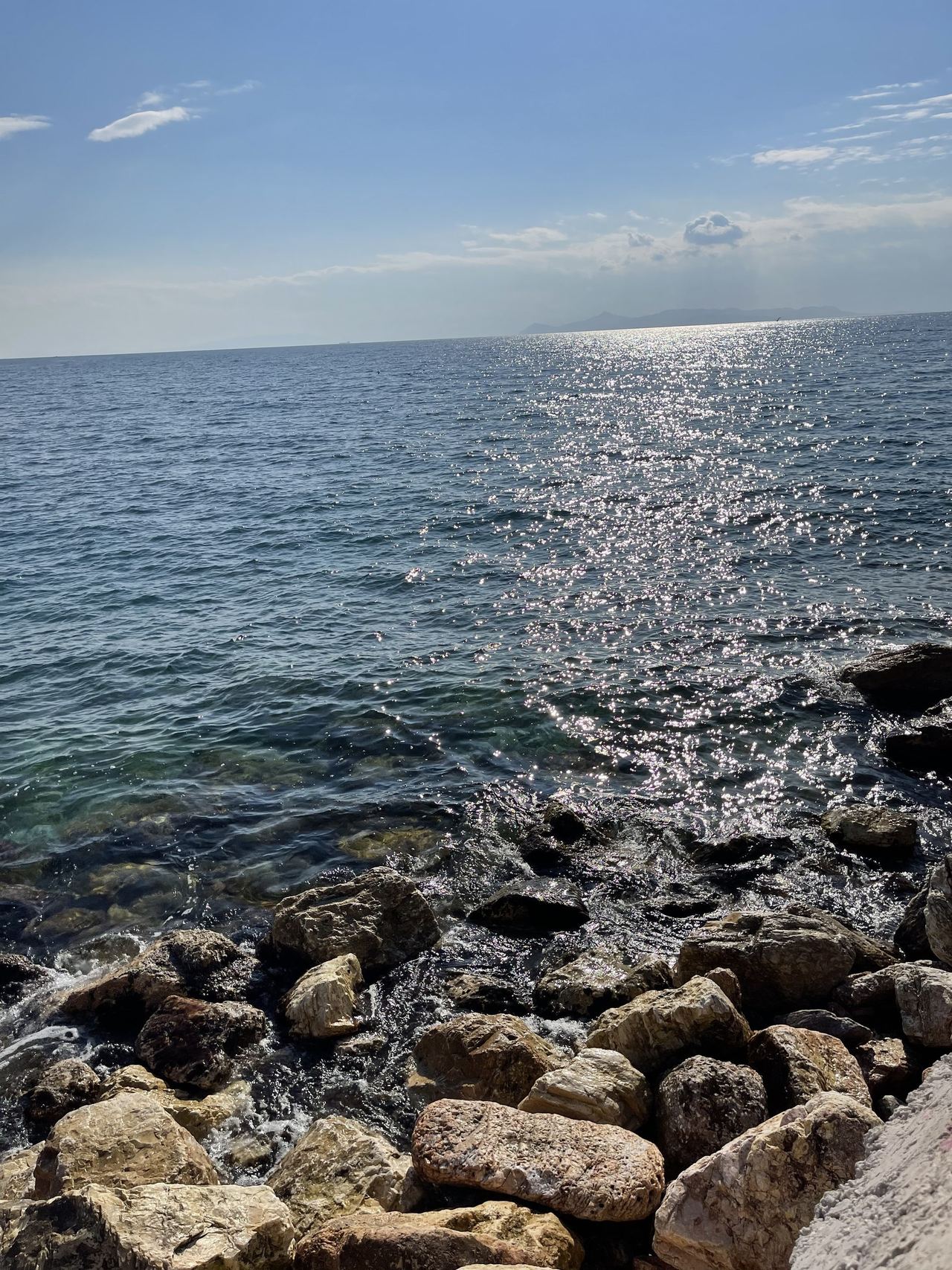
Photo Credit
Image courtesy of © ULTIMATE International MediaThose who prefer sand and a little shade head for the Mikro Kavouri beaches, where, in the municipality’s own words, there is shade enough under the tamarisks if you get your towel down in time. By eleven on a summer weekend, that is an optimistic “if”.
Midday: flags, towers and umbrellas
At noon a sensible swimmer wants three things: an umbrella, a lifeguard and clean water, ideally certified. The 2026 Blue Flag list on blueflag.gr names six beaches on this stretch: three in Glyfada, Voula A, Vouliagmeni and Astir Beach Vouliagmenis. Varkiza, Kavouri and the Limanakia are not on it, which is no verdict on their water; they are simply not on this year’s list.
On this coast the sun rises behind the town and sets in the sea, so the swimmer’s day runs, sensibly, from land to water.
A’ Plaz Voulas (Voula Beach) is the classic midday choice: clear, shallow water over a wide area that suits children, lifeguards on duty every day of the summer season, and a Blue Flag held every year since 2002. Vouliagmeni Beach (Akti Vouliagmenis) runs from 8am to 8pm with lifeguards throughout, on a green shore that makes the heat feel a little less personal.
Late afternoon: wind and shallow sand
The summer wind is the meltemi, the northerly that the National Observatory of Athens tracks over the Aegean. On a coast whose sea lies to the west and south, a northerly blows off the land, which tends to keep the shallows calm while quietly pushing inflatables, and their owners, out to sea. Keep anything that floats on a leash.
The wind to watch is the other one. At Varkiza East Beach, shallow and sandy across a wide area and ideal for children, the municipality advises care when a southerly blows. The same breezes bring out the windsurfers, sailors and kitesurfers who use the beach all year, so late afternoon is a free show. Nearby, Alkyonides Beach (Kanaria) is the municipality’s tip for summer weekends, but only very early or late at dusk.
Back towards Vouliagmeni, Megalo Kavouri Beach suits the hour when families regroup: sand on the shore and in the water, shallow water and a wide paved path through the green behind it.

Photo Credit
Image courtesy of © C messier · CC BY-SA 4.0 via Wikimedia CommonsSunset: the evening dip
Then the sea takes the sun. The municipality singles out Astir Beach for its sunsets, and in Voula it recommends the small pebble-and-sand coves between the tram terminus and Voula Town Hall Beach late in the afternoon, for exactly that view. The arithmetic helps too: A’ Plaz Voulas charges entry only from 9am to 7pm, so the golden hour on its sand costs nothing.
The day ends where the mid-morning began. A small canteen above the Limanakia turns into an open-air bar late at night, so the rocks that were too hot at noon become a terrace after dark. What should a local take from all this? That on the Riviera the best beach is rarely a place; it is an hour.
Our advice: swim the Glyfada Public Beaches at dawn and keep to lifeguard hours if you are not a strong swimmer; take the Limanakia early with shoes and water; spend noon under an umbrella at a Blue Flag beach; and save the last swim for the sunset coves of Voula or Astir Beach.
Why it's on our list
- Dawn: the sea before the lifeguards
- Mid-morning: rocks and tamarisks
- Midday: flags, towers and umbrellas
- Late afternoon and sunset: wind and the last dip
Location
The map comes from Google Maps, which sets its own cookies once it loads.
More in depth
 The back storySalt pans to Blue Flags: how the Athens Riviera learned to swim, the back storyFrom ancient salt pans to Blue Flags and a sunken lake: how the Riviera’s beaches were made.
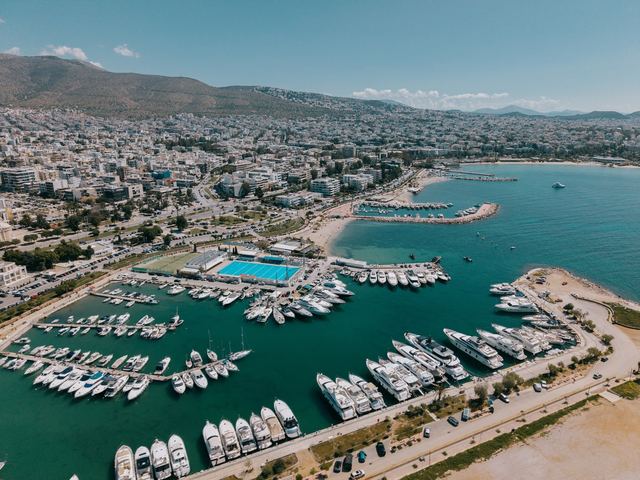 The back storyFour basins and a fishermen’s mole: the Riviera takes to the water, the back storyFrom an ancient harbour road to superyacht berths: how the Athens Riviera built its marinas.
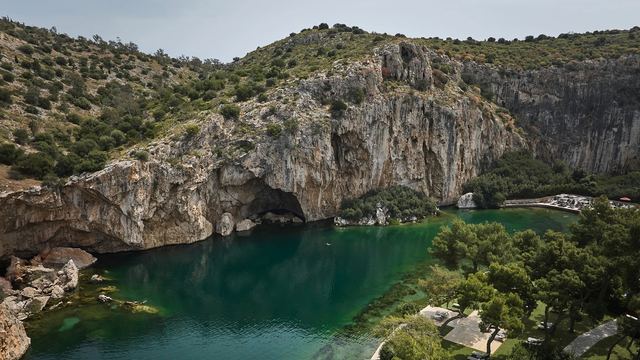 The back storyLeto’s girdle and Poseidon’s cape: the Riviera’s ancient coast, the back storyA temple found by playing orphans, a sunken lake and a turtle hospital in train wagons.